

Dentist – Beachwood, OH
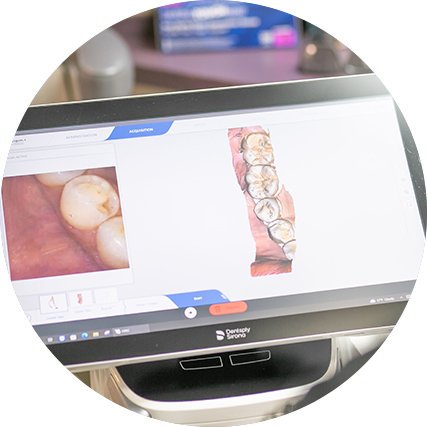
For us, dentistry is about so much more than caring for smiles. It’s about caring for people. That’s why our dental team in your area takes a holistic approach that prioritizes personalized care and top-tier customer service – whether you’re visiting us for state-of-the-art dental implants or smile-transforming Invisalign .
Play Video
What sets us apart
You’re more than just a dental patient when you come to The Center For Advanced Dentistry. Every single person that walks through our doors deserves our respect and undivided attention, so that’s exactly what you’ll receive. Whether you’re visiting us for dental implants, emergency dentistry, or something in between, we look forward to welcoming you to our dental office in your area!
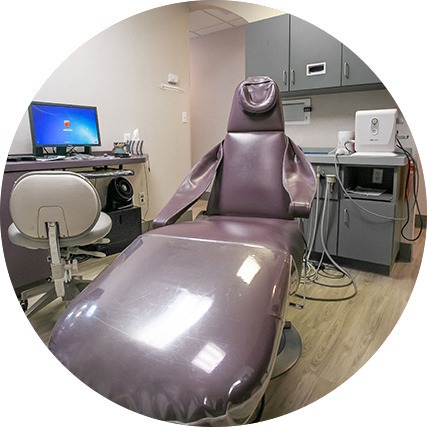
Welcome to Our Dental Office
Locals have trusted our dental office for decades, so long that our holistic dentists in Beachwood often find themselves treating multiple generations of the same family! The reason people choose us again and again is simple: we deliver outstanding care – from routine checkups and Invisalign to full mouth reconstructions – and always exceed expectations when it comes to our friendly dental service.
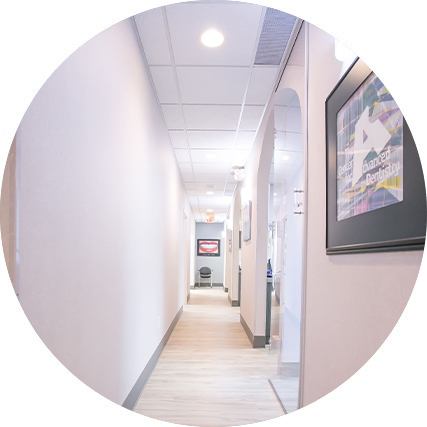
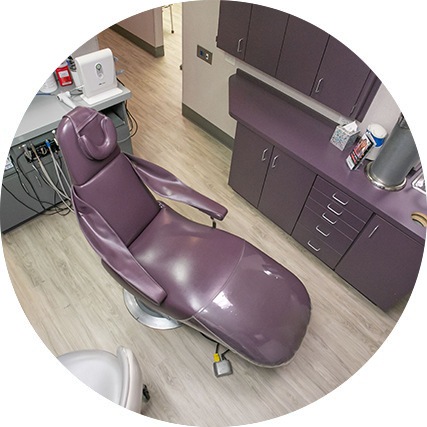
Request an AppointmentTour the Office
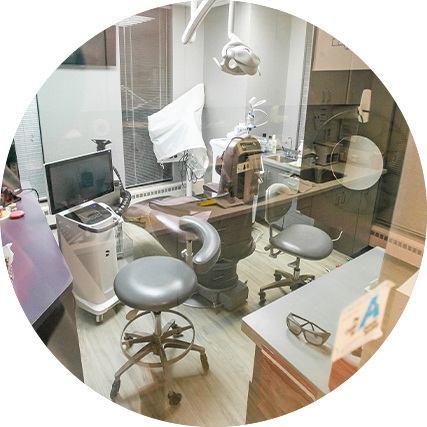
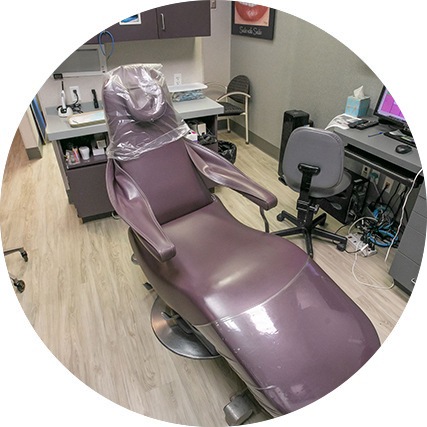
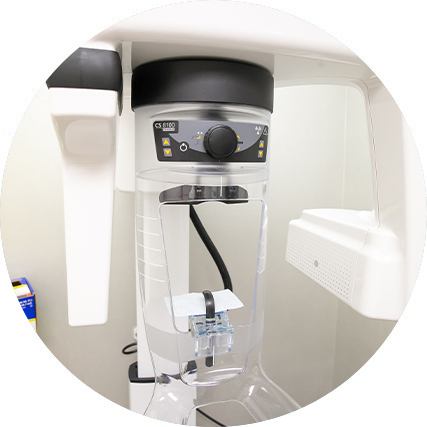
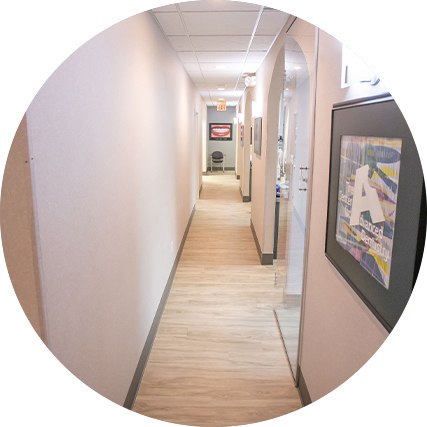
Meet the Dentists
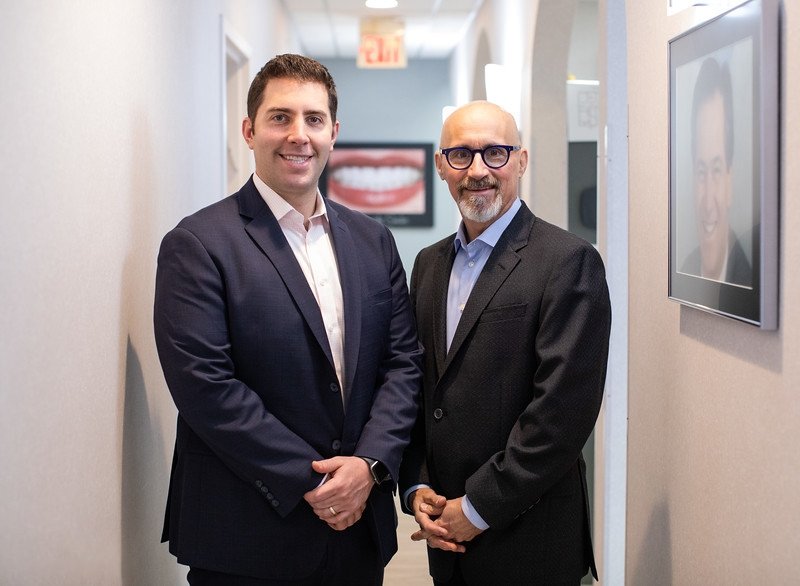
Dr. Schlessel and Dr. Hornstein are united in their passion for providing dentistry near you that takes care of the entire dental patient, not just their teeth. This holistic approach enables them to accomplish things that seem well beyond the bounds of dentistry, and they consistently surprise dental patients with their knowledge and ability to personalize every visit. If you’re interested in sedation dentistry to combat dental-related anxiety, you want to enhance your smile with veneers , or you’re simply overdue for your six-month checkup, they are here for you!
Get to Know the DentistsTotal Body Dentistry
& Much More
Our dental service menu is more extensive than most other nearby dental offices, and that’s because you deserve to get everything you need in one place, including essential preventive care, cosmetic dentistry , sleep apnea treatment , and more.



5 Star Reviews
How We Make Your Care More Affordable
Need to restore a damaged tooth? Want to remove stubborn stains with a professional teeth whitening treatment? Maybe you’re interested in a specialty service, like BOTOX® . Whatever the case may be, the cost shouldn’t stand in the way of your smile goals. In addition to welcoming dental insurance, our team is proud to accept flexible financing through CareCredit. If you’d like to learn more about either of these options, don’t hesitate to ask – we’re here to help!
Conveniently Located
Near You
You’ll find our dental office less than five minutes south of the intersection between the Outerbelt E Fwy and Chagrin Blvd. We’re also pretty close to a Trader Joe’s and just across the street from a Red Lobster. For more specific directions, simply click on the map.