
Dental Implant Failure & Salvage Beachwood
Restorative Care for Your New Smile
Dental implants are successful in more than 95% of cases, so you do not need to be stressed that something might happen to your new teeth. However, it is still important to note that dental implant failure can occur in rare cases. If you ever believe that something is not right with one of your implants, contact our Beachwood team right away. After we thoroughly evaluate the situation, we will advise you on your next steps.
Why Do Dental Implants Fail?
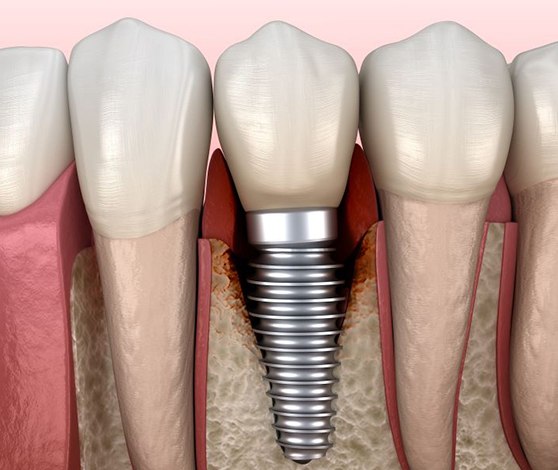
In most cases of dental implant failure, an infection known as peri-implantitis is to blame. It occurs when bacteria invade the tissue around an implant; eventually, the infection can cause so much damage that the implant starts to loosen. Poor oral hygiene and other factors can contribute to the development of peri-implantitis.
Other possible causes of a failed dental implant include:
- Physical trauma, caused by teeth grinding or an accident
- Underlying medical conditions, such as uncontrolled diabetes or certain bone diseases
- Failed osseointegration, which means that the implant never bonded properly with the surrounding bone
Symptoms of a Failed Dental Implant
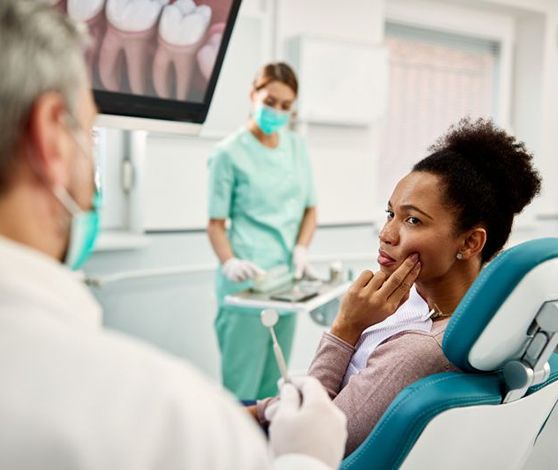
Dental implant failure can occur at any time, even years after the initial placement surgery. Therefore, it is important that you keep an eye on your oral health and seek professional care if you notice any of the following:
- Unusual pain: After you heal from your implant surgery, the site should be pain-free. Unusual or prolonged pain is a big red flag.
- Difficulty chewing: Once you adapt to your implants, you should find it easy to eat a wide variety of foods. Challenges in this area often indicate a serious problem.
- Signs of infection: Bleeding, redness, pus, and gum recession are all common signs of peri-implantitis.
- Looseness: If an implant feels loose, there may be a problem with the implant itself or the restoration (crown, bridge, or denture) that is attached to it.
How Dental Implant Salvage Works

Request an appointment with us as soon as possible after you start to suspect something is wrong with one of your implants. The earlier you receive care, the more likely it is that we can address the problem via conservative means.
When you visit us, we will thoroughly examine the implant and surrounding tissues. Then, we can talk about your options. You might need something relatively simple, like a new restoration or some antibiotics. It is also possible that more extensive care will be needed. It could be necessary for us to completely remove the failing implant. Later, after restorative care and an adequate healing period, you might be eligible for a new one.