

Most people do not realize how often they are exposed to certain materials throughout the day. Whether it be in the foods they eat, the water they drink, or the air they breathe, chances are they aren’t aware of the materials inside them or how their body will react to it. However, holistic dentists are increasingly aware of the many substances used in the medical field as well as the possible reactions these materials can trigger in the body.
For this reason, a dentist may ask patients to participate in biocompatibility testing before providing treatments. Inside, you will learn exactly what this testing entails.
 More and more dentists are going for the “metal-free” option these days, both at the request of patients and after learning about the harmful effects of having metal in the mouth for decades at a time. To help keep patients at ease about their dental restorations and implants,
 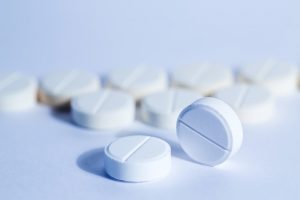 Every year, approximately 3.5 million patients have their wisdom teeth removed. More often than not, these patients are given a bottle of Vicodin, Percocet, or other opioid to help them manage pain they experience in aftercare. At the same time, the United States is experiencing an opioid crisis. According to a 2011 study from the Journal of the American Dental Association, roughly 23 percent of opioids in the U.S. are used non-medically.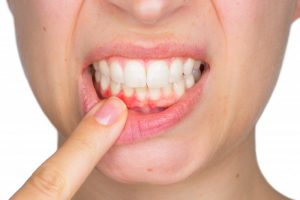

 Diet soda has always branded itself as a healthier alternative to the regular stuff. It usually contains less sugar and makes you feel guilt-free for consuming. Pretty soon, you find yourself drinking it every day, typically with your lunch. You’ve become so comfortable with it that you can’t see why you’d ever need to change.
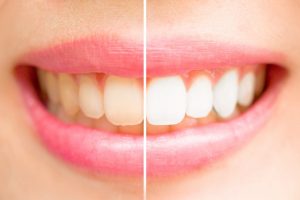 If you’ve tried teeth-whitening treatments before, there’s a good chance that the results you were promised didn’t meet the results you were given. Either your teeth weren’t as white as they could have been, or you needed to go back to the dentist for a touch-up sooner than you expected. Luckily, your dentist has found a
 Fact – the standard $1000 per year maximum benefits has been the same since 1976.
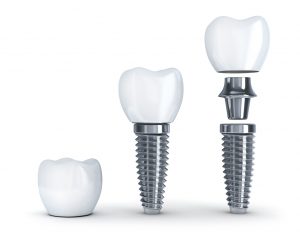 Some teeth are lost due to poor dental hygiene and some causes are simply out of our patient’s control like dental accidents. Despite how a patient may have lost their teeth, dental implants are a way to give our patients in need their life back. If you have lost teeth, either through natural reasons or in an emergency,